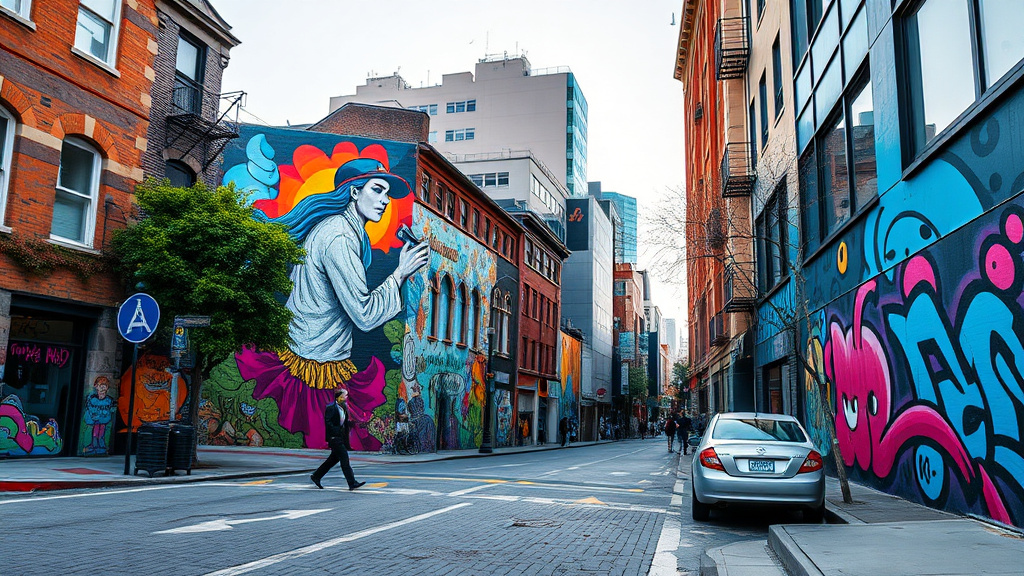
What was once criticized for vandalism has developed into a legitimate art form that fascinates millions around the world. Modern street art has transformed urban landscapes, converting drab concrete walls and forgotten alleyways into colorful outdoor exhibition spaces. From detailed murals to engaging public works, artists are repurposing shared environments and generating community conversations. This article examines how street art revitalizes communities, enhances regional artistic expression, and confronts traditional notions of where art has a place, proving that creativity prospers outside gallery settings.
The Emergence of Urban Art as Valid Artistic Medium
Street art has experienced a significant transformation in recent decades, transitioning from a stigmatized underground movement into a internationally acclaimed artistic discipline. Leading cultural institutions now feature street artists with conventional fine artists, affirming their role in modern artistic expression. This shift reflects changing societal attitudes toward public creativity and individual creative vision. Artists like Banksy, Shepard Fairey, and JR have brought street art to international prominence, proving that talent transcends institutional boundaries and that authentic creativity resonates with varied global audiences.
The legitimization of street art originates in part from its undeniable technical skill and intellectual complexity. Modern street artists utilize advanced methods, color theory, and creative perspective comparable to studio-based practitioners. Many street artists possess professional art education and deliberately choose public spaces as their canvas for socially and politically motivated reasons. This deliberate creative strategy sets apart modern street art from simple tagging or vandalism. Collectors, curators, and critics now acknowledge street art’s importance to society, acquiring artworks and documenting artists’ contributions to city transformation and community identity.
Institutional recognition has accelerated street art’s credibility through exhibitions, commissions, and preservation efforts. Cities globally now employ skilled street artists for community initiatives, considering street art as essential metropolitan infrastructure. Art institutions archive street artists’ work prior to removal, securing archival conservation. This official endorsement paradoxically questions street art’s rebellious roots while simultaneously making more accessible art appreciation. By incorporating street art into mainstream culture, communities recognize that genuine creative work belongs throughout communities, not limited to privileged gallery spaces accessible only to elite audiences.
Community Effects and Urban Revitalization
Contemporary street art has become a powerful catalyst for community revitalization and community engagement. Beyond its visual beauty, vibrant murals and installations foster social cohesion by creating shared cultural experiences. These artworks spark conversations, celebrate local heritage, and provide platforms for marginalized voices. Communities experiencing street art flourishing report greater sense of pride and stronger neighborhood bonds. When residents see their streets converted into artistic spaces, they develop deeper connections to their surroundings and participate more fully in neighborhood improvement projects.
Economic Benefits for Local Businesses
Street art significantly boosts regional economic growth by drawing visitors and foot traffic to historically neglected neighborhoods. Vibrant murals revitalize shopping areas into Instagram-worthy destinations, prompting people to explore nearby shops, cafes, and restaurants. Property values in street art-rich areas often increase as neighborhoods become more desirable. Business owners cite increased customer interaction and spending when located near striking artistic displays. This economic transformation creates employment opportunities and fosters business creation within communities.
The presence of quality street art demonstrates neighborhood investment and care, signaling safety and vitality to potential customers and investors. Businesses capitalize on creative environments through themed marketing campaigns and social media promotion. Art walks and cultural events focused on murals create extra income sources. Local entrepreneurs actively partner with street artists to develop custom artworks, combining commerce with creativity. This symbiotic relationship strengthens the community’s economic growth while supporting artists financially.
- Growing foot traffic and customer visits to neighborhood retailers
- Greater property values and neighborhood desirability ratings
- Visitor income from art enthusiasts and cultural visitors
- Job creation for artists and creative professionals
- Strengthened public recognition through artistic collaborations
Strategic investment in street art infrastructure generates measurable economic returns for neighborhoods. Cities adopting public art programs report significant growth in business revenue and property tax income. The economic ripple extends beyond immediate commercial gains, attracting corporate partnerships and cultural institutions. Neighborhoods transformed by street art become destinations for creative workers, further stimulating economic growth. This evidence indicates that supporting street art represents sound economic policy alongside cultural enrichment.
Prominent Street Artists and Their Worldwide Impact
Banksy, the elusive British urban artist, has earned recognition for provocative political statements and ironic artwork. His stencil creations challenge authority and ignite conversations, appearing on streets from locations spanning London and Palestine. Banksy’s reach goes beyond aesthetic effect; his pieces command astronomical auction prices establishing street art as a legitimate investment. Through intelligent satire and significant themes, he has inspired countless artists worldwide to employ public locations as platforms for activism and artistic output.
JR, a French street artist and photographer, reshaped urban art through large-scale photographic works. His “Women Are Heroes” initiative drew focus to underrepresented populations globally, converting impoverished neighborhoods and war-torn areas into artistic venues showcasing the dignity of humanity. JR’s community-engaged methodology involves residents in producing artwork, cultivating community pride and public consciousness. His work shows how street art goes beyond artistic conventions to serve as a effective medium for social justice narratives and international social progress.
Shepard Fairey’s recognizable artistic creations, notably the Obama “Hope” poster, exemplifies street art’s ability to shape popular culture and political movements. His characteristic approach blends pop art aesthetics with social activism, engaging audiences well outside traditional art circles. Fairey’s work has progressed from underground graffiti to mainstream recognition, proving that street artists can attain financial viability while maintaining artistic integrity and civic responsibility.
