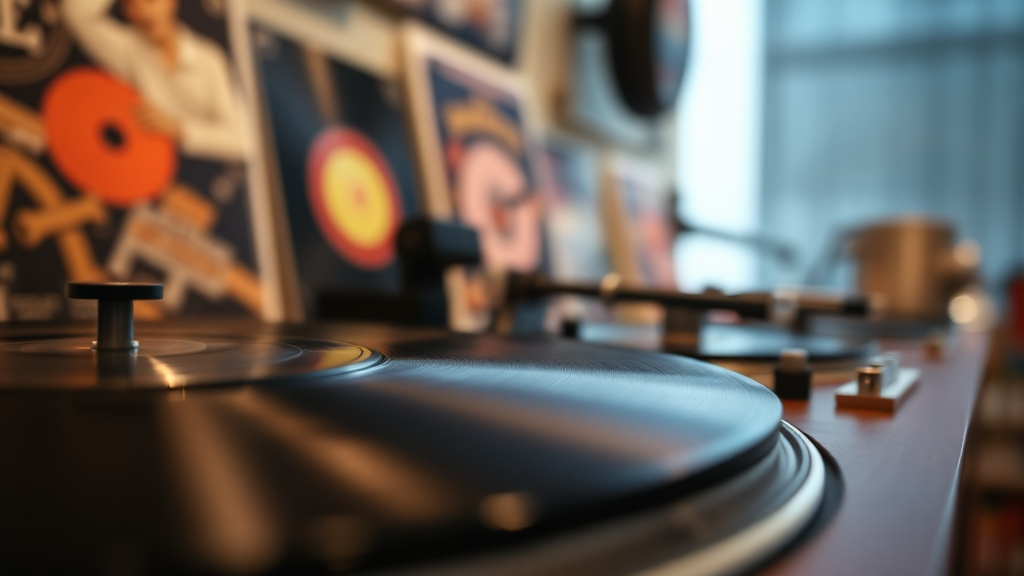
In an age dominated by streaming platforms and online distribution, vinyl records have made a remarkable comeback that most didn’t anticipate. From local record stores filled with enthusiasts to famous artists showcasing their collections, the vinyl medium is experiencing unprecedented growth worldwide. This article examines the surprising resurgence of vinyl, examining why audiophiles and collectors are embracing turntables, the superior sound quality fueling this trend, and how this retro format is reshaping the recording industry in ways that question modern consumption habits.
The Return to Analog Sound
The resurgence of vinyl records demonstrates a notable change in how audio lovers experience audio in the digital age. Despite years of technical progress, music purists and collectors are consciously opting for analog formats over accessible digital platforms. This phenomenon challenges conventional wisdom about digital innovation, demonstrating that older formats can provide distinct advantages that digital technologies cannot match. The warm, rich tones produced by vinyl playback have grown more appreciated by particular audiophiles pursuing authentic sound experiences that transcend computer-generated recommendations.
Record stores globally report exceptional growth in sales, with both vintage and newly pressed vinyl commanding premium prices in the marketplace. Younger generations, notably millennials and Gen Z consumers, are uncovering vinyl’s unique appeal in addition to longtime collectors who never abandoned the format. This demographic diversity has changed vinyl from a niche hobby into a popular cultural movement. The tactile experience of touching vinyl records, reading liner notes, and exploring visual designs provides a sensory richness that digital consumption simply cannot match. This has rekindled enthusiasm for music as a conscious, thoughtful engagement.
Why Aficionados Are Choosing Vinyl
Collectors are growing more attracted to vinyl records for reasons that extend far beyond mere nostalgia. The resurgence reflects a deliberate choice to experience music in a more intentional and meaningful way. Unlike streaming services that offer infinite options, vinyl’s limitations establish a carefully selected audio journey that fosters deeper appreciation for complete albums and creative intent.
Nostalgia and Physical Music Experience
Vinyl records provide a tangible link with music that digital formats cannot replicate. Holding a physical album, examining cover art, and perusing liner notes creates a multisensory experience that engages collectors emotionally. This tactile interaction shifts music listening from a passive background activity into an active ritual, building authentic relationships with artists and their work.
The timeless appeal of vinyl goes well past personal memories to capture the historical importance of the format itself. Younger generations discover vinyl’s charm via their parents’ collections, while established collectors value the continuity with music history. This intergenerational appeal demonstrates that vinyl’s resurgence moves beyond simple retro trends, representing a meaningful shift in how people value and experience music.
Outstanding Audio Performance Arguments
Audiophiles consistently argue that vinyl delivers exceptional sound quality compared to compressed digital formats. The analog recording captured in vinyl grooves maintains frequencies and nuances that compression processing often eliminates. High-quality turntables, cartridges, and speakers uncover sonic details that enhance appreciation for music production, mixing, and mastering techniques formerly overlooked through streaming.
Contemporary vinyl manufacturing technology has significantly improved, resolving past complaints about sound consistency and durability. Modern audiophile pressings compete with original editions in performance while delivering superior transparency and tonal range. This technological improvement, paired with increased funding in vinyl playback systems, has validated sound quality claims and attracted serious listeners looking for superior listening experiences.
Market Expansion and Sector Influence
Economic Expansion in the Vinyl Industry
The vinyl record market has seen significant growth over the last 10 years, with global sales reaching all-time peaks. Industry reports suggest that vinyl revenues have increased threefold since 2010, making it a billion-dollar sector. Big music labels and independent distributors have responded by increasing production capacity and developing manufacturing operations worldwide. This economic expansion demonstrates real consumer interest rather than short-term fad, with retailers reporting reliable ongoing expansion that outpaces many other entertainment formats.
Restoration of Manufacturing and Distribution Operations
The revival of vinyl has reinvigorated manufacturing infrastructure that had largely vanished from major Western regions. Pressing plants operate at full capacity, often with months-long waiting lists for production slots, while additional plants keep launching globally. Supply chains have been rebuilt to support the unique logistical demands of tangible formats, creating employment opportunities throughout supply chains. This expansion of facilities supports not only major corporations but also small independent labels and specialty producers working to fulfill enthusiast interest for exclusive releases and exclusive releases.
Effect on Music Sector Planning
Record labels now deliberately integrate vinyl releases into their sales initiatives, recognizing the format’s premium positioning and collector appeal. Artists deliberately plan vinyl editions as part of album launches, often releasing limited variants to boost purchasing and fan participation. The record’s earning potential has influenced corporate investment decisions, with large media corporations purchasing record-oriented businesses and expanding their analog divisions. This calculated pivot demonstrates how vinyl’s resurgence has fundamentally altered industry priorities, questioning exclusive digital streaming approaches and renewing physical product significance.
