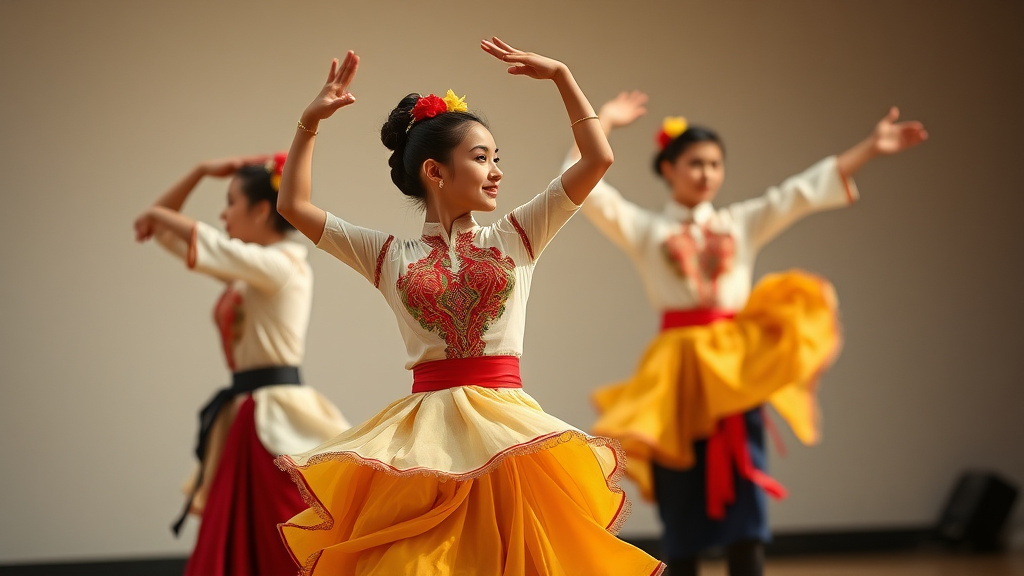
Classical ballet, formerly confined to ornate theaters and elite audiences, is undergoing a revolutionary transformation. Today’s premier ballet companies are boldly reimagining time-honored techniques, combining traditional choreography with contemporary music, multimedia elements, and varied performers. From New York to Tokyo, these institutions are challenging conventions and attracting younger and more international audiences without diminishing artistic integrity. Discover how the world’s most prestigious ballet companies are maintaining their heritage while propelling this enduring artistic discipline into the modern era.
Combining Tradition with Current Dynamics
Classical ballet companies around the world are recognizing that tradition and innovation need not be mutually exclusive. By thoughtfully integrating contemporary movement vocabulary into classical frameworks, choreographers are producing performances that celebrate the discipline’s rich heritage while connecting with modern sensibilities. This nuanced interplay allows audiences to appreciate the elegance of traditional technique while experiencing fresh artistic perspectives that resonate with contemporary cultural conversations and aesthetic preferences.
The evolution of ballet demonstrates broader cultural shifts toward diversity and creative exploration. Companies are reinterpreting classical stories, refreshing musical scores, and incorporating diverse dance vocabularies from present-day choreography, hip-hop, and global dance forms. These intentional blends create dynamic performances that preserve technical excellence while delivering unexpected emotional depth. New generations of dancers and viewers become deeply engaged by pieces that appear both timeless and urgently relevant to their personal journeys and aesthetic values.
This forward-thinking approach has demonstrated commercially and artistically successful, demonstrating that classical ballet can prosper in the modern era without abandoning its foundational principles. Theaters document higher box office revenue, expanded demographic reach, and enhanced critical praise when companies adopt deliberate creative exploration. The blend of traditional and modern styles represents not a break with ballet’s essence but rather an development that guarantees this remarkable cultural tradition remains vibrant, engaging, and relevant for generations to come.
Integrated Dance Techniques
Innovative choreographers are developing blended approaches that effectively combine classical ballet vocabulary with contemporary dance techniques. These approaches uphold the precision, grace, and technical demands of conventional ballet while incorporating flowing, earth-connected motion found in modern dance. By training dancers in both disciplines, companies create performers capable of executing sophisticated hybrid dance pieces that challenges conventional boundaries. This broadened physical language allows for more compelling narratives and more nuanced character development within classical frameworks.
Successful fusion choreography demands deep understanding of both traditions and intentional artistic choices about when and how to blend techniques. Choreographers carefully study classical vocabulary’s cultural background while investigating how modern movement can enhance emotional truth. The process involves collaborative exploration, where dancers provide feedback on quality of movement and fluid transitions. This approach has created innovative pieces that attract varied audiences while gaining recognition from classical ballet purists who appreciate the technical mastery and creative authenticity evident in thoughtfully executed fusion pieces.
- Adding ground-based movement and floor techniques into traditional ballet terminology
- Merging pointe work with improvised contemporary movement and pedestrian styles
- Integrating hip-hop beats with traditional musical scores and classical choreographic styles
- Merging story-driven narratives with abstract contemporary dance concepts
- Employing digital projections alongside traditional ballet technique showcases
Web-Based Platforms and International Expansion
The emergence of internet-based tools has dramatically reshaped how classical ballet reaches audiences worldwide. Streaming platforms and social media channels now allow ballet companies to transcend geographical boundaries, bringing performances directly into homes across continents. This opening up of opportunities has played a key role in cultivating new audiences who might never have seen classical ballet in conventional performance venues, thereby expanding the art form’s cultural footprint exponentially.
Leading ballet organizations have actively adopted technological advancement to stay competitive in an ever-more digital world. By investing in high-quality video production and online distribution, companies ensure their creative work remains accessible to diverse demographics and age groups. This technological shift has also created unprecedented opportunities for cross-border partnerships, enabling dancers and choreographers to share creative ideas seamlessly across different regions and time differences.
The financial impact of online growth go further than ticket sales, creating revenue streams through membership platforms and digital media licensing. Ballet companies now employ data analytics to gain insight into viewer preferences, tailor content recommendations, and enhance engagement strategies. This analytics-based strategy enables organizations to determine strategic choices about upcoming shows while upholding the creative quality that defines classical ballet.
Streaming and Virtual Performances
Professional streaming services dedicated to dance have proven to be transformative forces in classical ballet delivery. Platforms offering direct access to full productions, documentaries, and backstage footage attract both longtime enthusiasts and new audiences. These services offer adaptable viewing experiences, allowing audiences to experience premier ballet productions at their preferred times while supporting artists through reliable income systems.
Virtual performances and streaming broadcasts have proven particularly valuable during periods of restricted theater access. High-definition cinematography and innovative camera work improve how audiences experience the performance, sometimes providing viewpoints that cannot be obtained from traditional theater seats. This advanced technical approach shows how online formats can enhance without replacing the traditional ballet art form, drawing viewers worldwide reaching millions of people.
Visitor Engagement and Accessibility
Contemporary ballet companies recognize that accessibility is paramount to cultivating new audiences. By offering digital streaming platforms, reasonably priced tickets, and community outreach programs, these institutions make accessible classical ballet. Online shows during the pandemic revealed new international audiences, enabling viewers worldwide to experience live productions from their homes. Many companies now provide beginner-friendly classes and backstage footage, demystifying ballet’s intricate techniques and encouraging broader participation across socioeconomic backgrounds.
Interactive experiences have played a key role in audience engagement strategies. Ballet companies present discussion sessions before performances, interactive online campaigns, and educational partnerships to develop emerging dancers and interest. Inclusive casting practices and contemporary storytelling appeal to audiences wanting meaningful connections. These developments change passive observation into direct engagement, creating loyal communities dedicated to ballet’s evolution while maintaining its established heritage and promoting lasting success.
