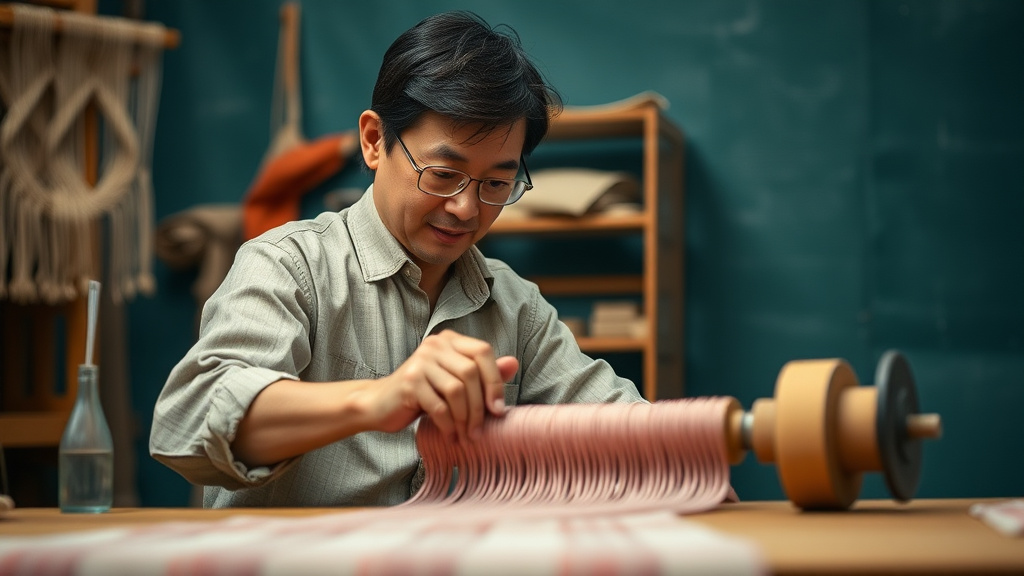
In a environment of rapid garment production and large-scale manufacturing, skilled textile makers are discovering an surprising way ahead—by integrating contemporary tools without forsaking time-honored methods. From hand looms upgraded through digital design software to natural dyes refined via scientific innovation, makers around the world are demonstrating that tradition and innovation can coexist. This article examines how fabric artisans are masterfully integrating ancestral methods with current technology, guaranteeing their ancient crafts stay dynamic, sustainable, and relevant for generations to come.
The Tradition of Traditional Fabric Crafts
Textile artistry constitutes one of humanity’s most esteemed and ancient artistic traditions, with roots reaching thousands of years across diverse cultures and civilizations. From the intricate silk weaving of ancient China to the vibrant tapestries of Peru and the delicate lace-making of Europe, time-honored weaving practices have served as keepers of cultural identity, spiritual expression, and technological innovation. These time-honored practices include a broad spectrum of techniques including hand-spinning, plant-based dyes, weaving on traditional looms, and embroidery, each developed through generations of dedicated artisans who shared their understanding through apprenticeship and oral tradition.
The importance of traditional textile craftsmanship goes well past artistic aesthetics; these arts capture the beliefs, histories, and sustainability practices of their communities. Artisans who maintain these practices serve as cultural guardians, preserving techniques that reflect ecological stewardship and extensive ecological understanding accumulated over centuries. Today, as international appeal in genuine hand-made products keeps expanding, conventional textile artisans stand at a turning point where their ancestral skills are increasingly valued for their quality, uniqueness, and cultural authenticity in an growing uniform marketplace.
Linking Historical and Modern Practices in Textile Production
The integration of cutting-edge technology into traditional textile production constitutes a fundamental shift in how artisans execute their craft. Rather than viewing digital tools as dangers to authenticity, contemporary weavers and dyers recognize them as catalysts for creative expression. This development allows craftspeople to extend their customer base, boost efficiency, and ensure economic viability while preserving the fundamental skills and creative perspective that characterize their cultural heritage. The result is a thriving textile industry that honors tradition while embracing innovation.
Modern Design Blends with Handcrafted Weaving
Digital design software has revolutionized the early steps of textile creation without compromising the hand craftsmanship that characterizes traditional woven textiles. Artisans now utilize CAD software to visualize complex patterns, experiment with color combinations, and map out intricate weave structures before working at their weaving looms. This digital support decreases testing cycles, allowing textile artisans to direct their skill on the physical weaving process. The combination of digital precision and artisanal work creates superior textile products, combining traditional methods with modern design aesthetics that resonate with modern customers.
The integration of digital platforms has made accessible pattern creation for textile artisans, particularly in emerging markets where educational resources was formerly restricted. Weavers can now collaborate remotely with design professionals, share their work globally, and adapt rapidly to market demands. Design software allows them to record heritage designs through digital means, maintaining cultural knowledge for coming generations. This technological integration builds collaborative communities, empowering artisans to maintain competitive advantages while keeping their heritage crafts financially viable and culturally significant in current markets.
- Digital design tools visualizes complex weaving patterns accurately
- Digital color matching ensures consistency throughout successive production runs
- Design record-keeping preserves traditional designs for future artisans
- Distributed teamwork links weavers to international design networks
- Software reduces material waste through precise pre-production planning
Skilled Makers Driving the Creative Initiative
Forward-thinking makers across the globe are leading a transformative movement that challenges the artificial separation between tradition and innovation. These artisans understand that embracing contemporary methods need not erode their cultural heritage; instead, digital tools function as catalysts that enhances their innovative capacity. By integrating modern equipment, sustainable materials, and modern commercial strategies into their workshops, these pioneers illustrate that weaving traditions can flourish in the twenty-first century. Their collaborative spirit extends beyond isolated workshops, as they distribute information through online platforms, mentorship programs, and international networks, fostering a dynamic community where ancient wisdom meets modern breakthroughs.
The achievements coming out of this movement inspire countless emerging artisans to pursue textile craftsmanship as a fulfilling and practical career. Young weavers, dyers, and embroiderers now can tap into extensive support systems—from online training programs with experienced artisans to crowdfunding platforms that support ethical manufacturing. These innovators leverage social media to display their work worldwide while preserving responsible employment standards and ecological sustainability. Their focus on maintaining heritage practices while embracing strategic modernization proves that textile artisanship constitutes not a nostalgic relic, but a living, adaptive practice capable of tackling modern issues while celebrating centuries of accumulated knowledge.
Maintaining Customs for Generations to Come
The protection of conventional weaving arts relies essentially on involving youth and developing feasible financial models for skilled makers. Learning frameworks that combine hands-on training with technology skills are proving essential, helping students to learn traditional methods while understanding modern market demands. Cultural institutions, heritage groups, and preservation organizations increasingly partner with textile communities to record ancestral practices, develop credential systems, and develop sustainable business models that value traditional expertise while providing adequate remuneration and professional growth opportunities.
As consumer awareness increases regarding ethical production and environmental sustainability, conventional textile artisans find themselves positioned at the forefront of a global movement toward mindful purchasing. By transparently sharing their stories, production methods, and heritage value through digital platforms and social media, artisans connect directly with audiences appreciating authenticity and heritage. This immediate connection not only creates financial backing but also encourages younger craftspeople to embrace their heritage traditions, ensuring that traditional methods continue flourishing alongside contemporary advances for generations to come.
