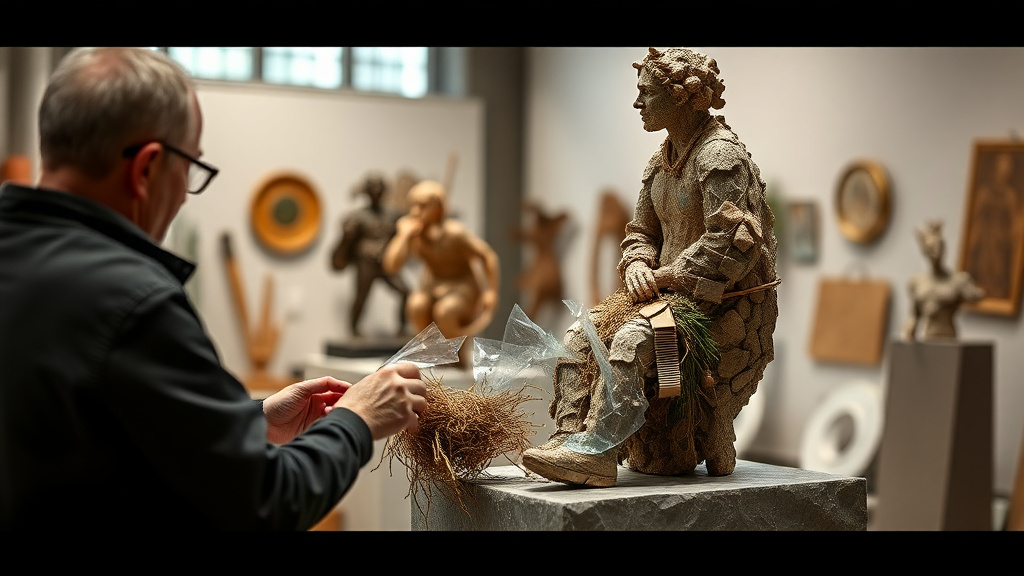
As ecological consciousness reshapes industries globally, independent sculptors are leading a creative revolution by abandoning conventional mediums for eco-friendly options. From salvaged timber and repurposed metal to biodegradable clay and plant-based composites, these visionary artists demonstrate that environmental stewardship and creative mastery can coexist. This article examines how groundbreaking artists are redefining artistic practice, converting waste materials into stunning works while championing a greener future for the art world.
The Emergence of Eco-Conscious Sculptural Art
The modern art landscape is witnessing a major change as individual artists are adopting environmental stewardship. This shift represents more than a fleeting movement; it reflects a fundamental reimagining of artistic practice itself. Artists across the world are understanding that their creative choices bear environmental effects, driving them to find alternatives that lower environmental harm. By adopting sustainable alternatives, these sculptors prove that artistic integrity and environmental stewardship can exist together harmoniously, encouraging viewers to reassess their individual relationship with disposable culture.
This movement toward eco-conscious sculpture has achieved significant momentum in recent years, propelled by both artistic passion and increasing public demand for ethically produced art. Independent creators have become pioneers in this space, often operating outside established gallery systems that may resist experimentation. Their work questions conventional notions of what sculpture is capable of, proving that limitations created by sustainable materials typically inspire increased creativity. As these artists achieve prominence and influence, they’re reshaping industry standards, encouraging established institutions to reevaluate their procurement practices and production practices.
Materials Innovation and Sourcing
Independent sculptors are transforming material sourcing by establishing direct relationships with providers of eco-friendly materials. These artists actively seek out repurposed materials, recycled components, and sustainable choices that align with their commitment to sustainability. By creating new supply networks and working alongside waste management facilities, sculptors obtain quality materials while minimizing their ecological footprint. This forward-thinking strategy transforms the supply chain, showing that sustainable art creation requires both creativity and strategic resource management.
Recovered and Reused Materials
Reclaimed wood from razed buildings, salvaged architectural elements, and discarded industrial materials offer sculptors with unique aesthetic qualities and compelling backstories. These materials possess character and patina that new resources cannot replicate, creating authentic narratives within artworks. By giving new life to discarded items, artists celebrate their original purpose while giving them renewed purpose. This practice substantially decreases waste in landfills while producing sculptures with remarkable dimensionality and environmental integrity that speaks to contemporary audiences.
Recycled metals such as copper, steel, and aluminum give sculptors strong, flexible materials with reduced ecological footprint. Acquiring stock from scrap yards and industrial facilities secures steady access to stock while advancing circular economy principles. Metal recycling requires substantially less energy than virgin material creation. Numerous artists create distinctive methods that emphasize the aesthetic qualities of reclaimed metal, turning industrial byproducts into refined artistic expressions.
Organic and Compostable Options
Natural decomposable materials like unfired clay, quarried stone, and botanical composite materials allow sculptors to create temporary or fully decomposable artworks. These materials challenge established notions of permanence, encouraging audiences to appreciate fleeting aesthetic appeal and nature’s cycles. Artists are progressively embracing impermanence as artistic statement, using biodegradable mediums to examine issues of environmental care and sustainable practices. This ideological transformation reshapes the definition of fine art success, valuing process and environmental consciousness equally with finished pieces.
Plant-based fiber composites derived from agricultural waste, cork, and bamboo showcase advanced sustainable sculpture materials. These renewable resources regenerate quickly, requiring minimal processing compared to synthetic alternatives. Sculptors experimenting with plant-based mediums discover unexpected strength and aesthetic possibilities while supporting sustainable agriculture practices. These innovations show that ecological stewardship drives artistic advancement, creating opportunities for sculptors to develop innovative approaches and expand fine art’s creative boundaries.
Impact on the Artistic Community and Surroundings
The transition to sustainable materials in sculpture has fundamentally transformed how the art community understands environmental responsibility. Individual sculptors championing eco-friendly practices encourage galleries, museums, and collectors to reassess their priorities and buying choices. This trend has created a ripple effect throughout the industry, encouraging established institutions to showcase environmentally conscious work in conjunction with traditional pieces. The dialogue about material ethics has become central to contemporary art discourse, positioning ecological awareness as a key feature of modern artistic practice and cultural relevance.
Environmental benefits reach far beyond individual artworks, as broad implementation of sustainable materials lowers the art world’s environmental impact significantly. By using recycled and reclaimed materials, sculptors minimize waste destined for landfills while decreasing demand for virgin material extraction. This practice conserves natural ecosystems, lowers energy use in production processes, and prevents pollution associated with standard material extraction. The cumulative impact of numerous artists making sustainable choices creates substantial environmental progress, demonstrating that creative industries can operate harmoniously with ecological preservation and contribute positively to planetary health.
Independent sculptors have emerged as key advocates for systemic change within the wider artistic community. Their achievements using sustainable materials challenges conventional wisdom that artistic quality requires conventional resources, inspiring emerging artists to explore eco-conscious alternatives from their careers’ inception. Educational institutions increasingly incorporate sustainability teachings, preparing future generations to prioritize environmental stewardship. This societal change establishes sustainable sculpture as a recognized and valued artistic movement, proving that aesthetic beauty and ecological responsibility coexist, ultimately reshaping how society values both art and environmental protection.
